
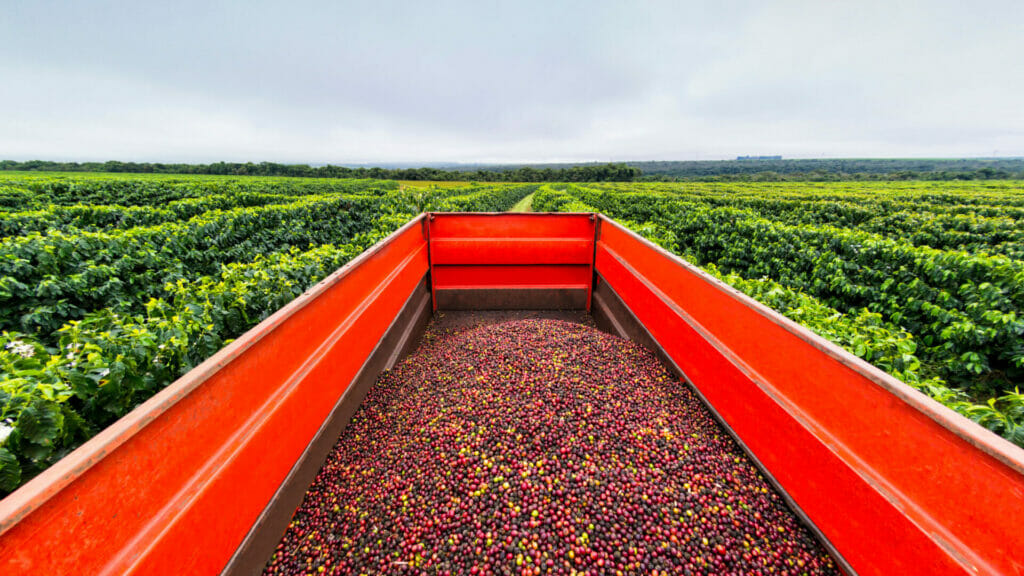
Indonesia has a well-deserved reputation for producing some of the finest coffee beans in the world. Several coffee experts, including James Hoffman, Scott Rao, Tim Wendelboe, Colleen Anunu, and Chad Wang, who have praised Indonesia’s coffee beans for their unmatched flavor profile, potential for specialty coffee production, and complexity of flavor.
There are several reasons why this is so:
Ideal Growing Conditions
The country’s location near the equator offers a consistently warm and humid climate that is perfect for growing coffee. Moreover, many of Indonesia’s coffee farms are situated on high-altitude slopes, which further contribute to the beans’ unique flavor profile.
Coffee plants grown on high-altitude slopes experience a different set of environmental conditions than those grown at lower elevations.
Cooler temperatures, lower oxygen levels, and increased sunlight can cause stress to the plants, which can lead to the production of beans with a more complex and nuanced flavor profile.
As the plants work harder to survive and reproduce in these conditions, they produce denser and more flavorful beans.
Furthermore, the slower maturation of coffee cherries at higher altitudes leads to a higher concentration of sugars and acids in the beans, which adds to their unique taste.
Mineral-rich Soil
The volcanic soil in many regions of Indonesia is abundant in minerals, such as nitrogen, potassium, and phosphorus, which helps to create coffee beans that are rich and complex in flavor.
The volcanic soil’s porous nature allows the coffee plants to absorb minerals more efficiently, leading to better flavor development in the beans.
The minerals in the soil also affect the plant’s photosynthesis process, which is responsible for the bean’s development of sugars and acids
Traditional Cultivation Methods
Indonesian coffee farmers still rely on traditional techniques, such as hand-picking and sun-drying the beans, which help to produce beans with exceptional flavors and aromas.
Hand-picking allows for a more selective harvest, ensuring that only the ripest beans are selected, while sun-drying can enhance the sweetness of the beans by allowing natural sugars to develop
These methods also allow for a more controlled and gentle handling of the beans, reducing the risk of damage or fermentation
Distinct Varietals
Indonesia has a long history of coffee cultivation, dating back to the Dutch colonial period in the 17th century. During this time, coffee was introduced to various regions in Indonesia, where it adapted and evolved to create distinct varieties
Additionally, Indonesia’s isolation from other coffee-producing regions allowed for unique genetic mutations to occur, resulting in distinct coffee varieties.
For example, Kopi Luwak, one of Indonesia’s most famous coffee varietals, is made from coffee beans that have been eaten and excreted by a civet cat, leading to a unique flavor profile. Other varietals, such as Sumatran and Sulawesi coffees, have their own distinct flavors and characteristics, shaped by the region’s geography, soil, and climate.